DUROMASTIC P15 – INTERNAL WET AREAS
📍 Location: 220 Maroubra Road, Maroubra NSW 2035
📅 Date: 18 Nov 2014
Short Summary
Internal Wet Areas such as bathrooms require waterproofing because water from the showers must be contained so that it doesn’t track into other part of the house causing water damage, staining carpet and allowing mould and fungi to develop
Challenge
When Waterproofing a bathroom the main aim is to keep water from showers and baths confined to the Wet Area itself. This is achieved by applying a waterproofing membrane and PVC/Aluminium angles to keep water from the bathroom getting out into other rooms, as well as promoting drainage during construction to promote positive falls to waste outlets within the wet area.
Solution
When Waterproofing a bathroom the main aim is to keep water from showers and baths confined to the Wet Area itself. This is achieved by applying a waterproofing membrane and PVC/Aluminium angles to keep water from the bathroom getting out into other rooms, as well as promoting drainage during construction to promote positive falls to waste outlets within the wet area.
Outcome
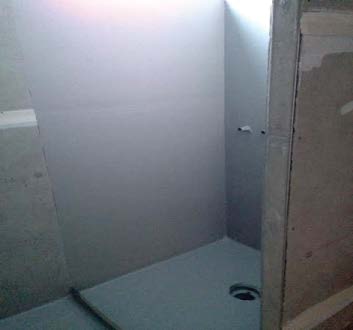
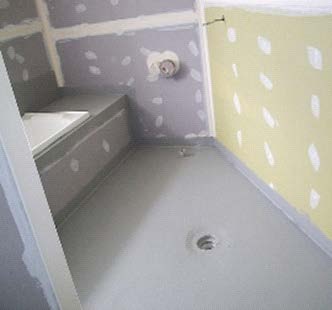
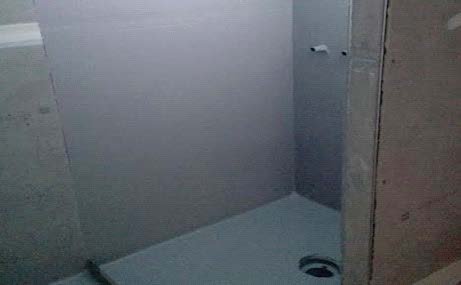
The project is one bathroom of a multi-storey apartment building.
The waterproofing contractor, Superb Waterproofing prepared the concrete substrate by removing all dust, oils and other contaminants.
The area was primed with Durotech ARW, Internal Membrane Primer
Superb Waterproofing then installed Flexible Neutral Cure Silicone Joint Sealant to all wall/floor junctions and all other joints in the substrate, to accommodate anticipated movement.
Two coats of Duromastic P15 were applied to the area. A total membrane thickness of 1.2mm was achieved throughout on the floors and turn-ups, with a thickness of 0.6mm achieved on the walls. This membrane is suitable for the direct stick method of tiling and/or under screed
Before / After Comparison